
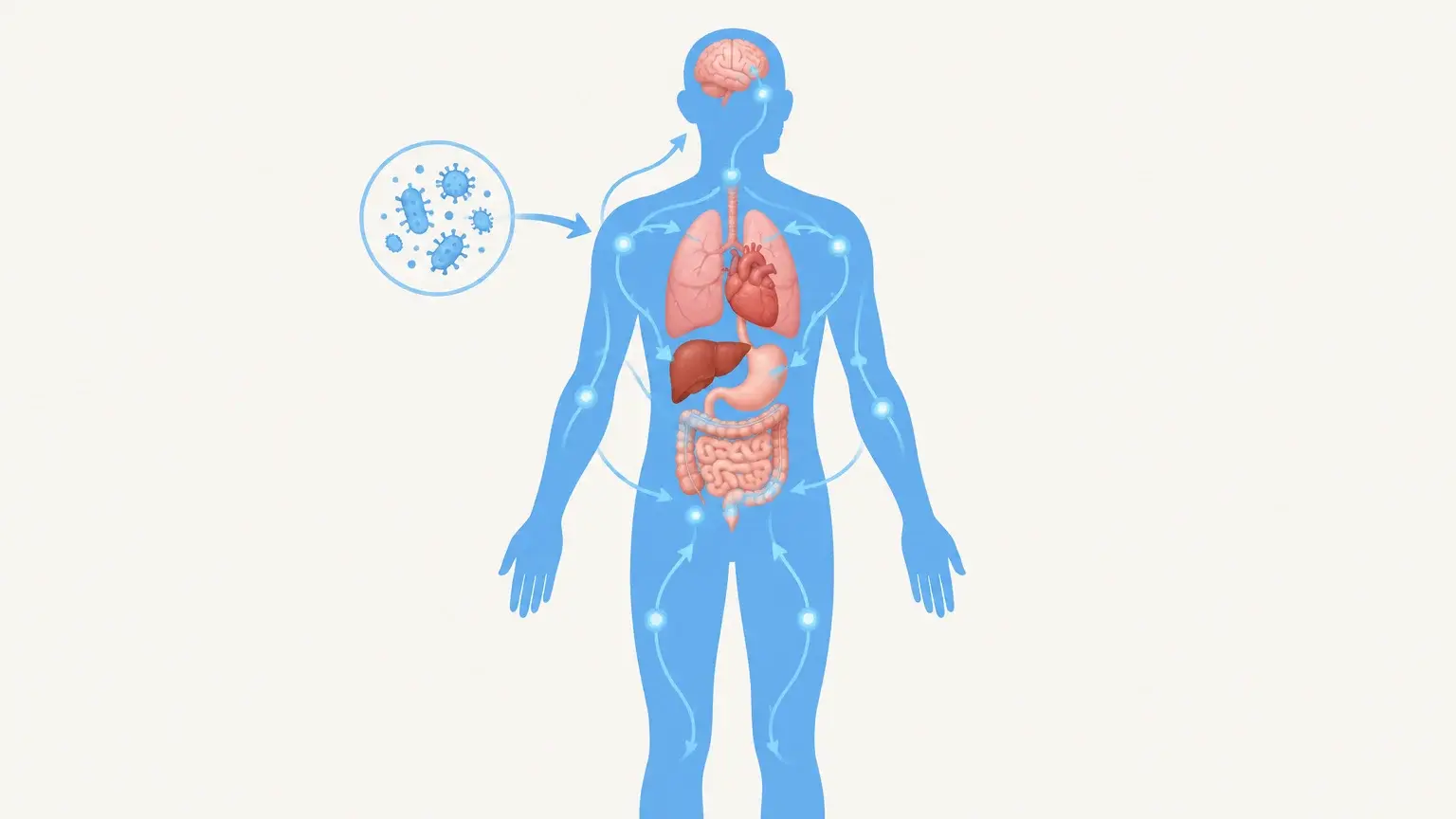
Sepsis: Warning Signs, Causes, Diagnosis, and Treatment

Summary: Sepsis is a life-threatening response to infection that can quickly cause organ dysfunction. Warning signs may include confusion, fast breathing, clammy skin, severe discomfort, fever, or feeling very cold. Suspected sepsis needs immediate medical care. An online symptom checker cannot diagnose or rule out this emergency.
Could an infection become dangerous before its source is clear? Sepsis is a medical emergency: if you suspect it, seek immediate professional care rather than waiting for symptoms to pass or checking them online. For healthcare organizations developing digital health education, our article on symptom checker widgets for insurers discusses website tools, not emergency triage.
Sepsis happens when the body’s response to an infection harms its own tissues and organs. It can progress rapidly, and it may begin with an infection in the lungs, urinary tract, digestive system, skin, or another site. In the United States, the CDC’s sepsis estimates indicate that about 1.7 million adults and more than 18,000 children develop sepsis each year. Those figures underline why it matters to recognize concerning changes and act quickly.
What is sepsis?
An infection triggers the body’s defenses. With sepsis, the response becomes dysregulated and can disrupt normal organ function. Sepsis is not simply another name for an infection, and it does not require an infection to be present in the bloodstream. A person can develop sepsis in response to an infection elsewhere in the body.
As the condition worsens, inflammation and changes in blood flow can damage tissues and organs. Septic shock is a severe form involving dangerously low blood pressure and a high risk of organ failure. Both sepsis and septic shock require urgent hospital care.
Sepsis itself is not contagious. However, some infections that can lead to sepsis may spread between people. Preventing infection and getting appropriate medical attention when an infection worsens can help reduce risk, but no preventive step can guarantee that sepsis will not occur.
Which warning signs need emergency attention?
Sepsis can look different from one person to another, and its symptoms can overlap with other illnesses. Possible signs include confusion or disorientation, shortness of breath, a fast heart rate or weak pulse, clammy or sweaty skin, severe pain or discomfort, fever, shivering, or feeling very cold. Some people have a low body temperature instead of a fever.
Do not wait for every warning sign to appear. A sudden change in alertness, difficulty breathing, or a rapidly worsening condition alongside an infection warrants immediate emergency attention. If someone is hard to wake, confused, struggling to breathe, or too weak to stand, call 911 in the United States.
Children can show different signs, including fast breathing, unusual sleepiness, pale or cold skin, or difficulty waking. A 2026 study using U.S. hospital records estimated 18,231 pediatric sepsis cases and 1,877 deaths in 2022; these were national estimates based on the study’s clinical definition and data. The 2026 pediatric study also found sepsis in 1.3% of hospitalizations examined. These figures describe populations, not a way to assess an individual child at home.
What infections can lead to sepsis?
Almost any infection can lead to sepsis, although not every infection does. Bacterial infections cause most cases, but viral and fungal infections can also be responsible. Common starting points include pneumonia and other lung infections, urinary tract or kidney infections, abdominal infections, and infections of the skin or wounds.
Sometimes the original infection seems minor, or its source is not obvious at first. An infection following surgery or involving a medical device can also become serious. Sepsis is a response to infection, so the relevant warning is not just where an infection began, but whether the person’s condition is worsening.
A clinician needs to assess the person’s symptoms and condition. Neither a familiar infection nor the absence of a known infection source is enough to confirm or exclude sepsis. If an infection is getting worse or new concerning symptoms appear, seek medical advice urgently.
How do clinicians diagnose and treat sepsis?
In hospital, clinicians assess symptoms, medical history, and vital signs such as temperature, heart rate, blood pressure, and breathing. They may order blood tests and cultures to look for infection or organ damage, as well as urine tests or imaging to help find the infection’s source. No single symptom or home test can confirm sepsis.
Published estimates can differ because studies may use different definitions, records, and populations. For example, an AHRQ report examined U.S. inpatient stays and emergency department visits at nonfederal acute-care hospitals using data from 2016 to 2021. That historical scope should not be confused with a complete count of sepsis in 2026. The AHRQ sepsis report illustrates why the source and year matter when reading burden figures.
Treatment begins promptly in hospital and depends on the suspected infection and the person’s condition. It may include antimicrobial medicines, intravenous fluids to support blood flow, and treatment of the infection’s source. Some people need additional support, such as medicines to raise blood pressure, breathing assistance, dialysis, or surgery to remove infected or damaged tissue.
Because sepsis can worsen quickly, do not wait for an online assessment, a routine appointment, or a test result before seeking emergency care when it is suspected. Symptom checkers can provide general educational information, but they cannot diagnose sepsis or safely rule it out.
Who is at higher risk, and how can you reduce risk?
Anyone with an infection can develop sepsis, but some people face a higher risk. These include infants and young children, adults age 65 or older, people with weakened immune systems or chronic health conditions, and people recently hospitalized or receiving intensive care. Having a risk factor does not mean a person will develop sepsis, and people without known risk factors can still be affected.
You can take practical steps to reduce the chance of infections that may lead to sepsis. Wash your hands, follow recommended vaccination guidance, keep cuts clean and covered, and seek care for infections that are getting worse or not improving. If you have a chronic condition, continue the care plan you discussed with your healthcare professional.
Use antibiotics only as prescribed and ask a clinician or pharmacist if you have questions about them. Appropriate use helps treat bacterial infections while reducing unnecessary exposure. Prevention matters, but it does not replace prompt medical care if concerning symptoms develop.
If a loved one may be seriously ill, describe the symptoms and changes you have observed when seeking help. Mention any known infection, recent hospitalization, surgery, or major health condition. Clear information can help the healthcare team assess the situation, but you do not need to determine whether it is sepsis before asking for emergency care.
Take suspected sepsis seriously
Sepsis is a medical emergency that can develop from many kinds of infection and progress to organ damage. Warning signs can vary, so do not wait for a particular symptom combination or rely on an online tool to judge severity. If you suspect sepsis, seek emergency medical care immediately.
Support Better Health Education on Your Website
Healthcare websites can help visitors explore general health concerns, but online information cannot replace clinical assessment. Our embedded symptom checker asks users about symptoms and provides an assessment with a printable PDF report. It is educational, not a sepsis detector or emergency service, and it does not replace advice from a healthcare professional. Our widget does not have FDA or CE marking.

For organizations considering a general symptom assessment tool for their website, our plans use monthly usage tiers and include a $0, 60-day limited-service free trial. Review AI symptom checker widget plans to explore the available options for healthcare websites.
Frequently Asked Questions
Can sepsis develop from a minor infection?
Yes. Almost any infection can lead to sepsis, although most infections do not. Seek medical care if an infection worsens or concerning symptoms appear.
Is sepsis contagious?
No, sepsis itself does not spread from person to person. However, the infection that triggers it may be contagious, depending on its cause.
Can you have sepsis without a fever?
Yes. Some people with sepsis may have a low or normal temperature instead of a fever. Do not use temperature alone to decide whether emergency care is needed.
Can an online symptom checker tell me whether I have sepsis?
No. An online tool cannot diagnose sepsis or rule it out, including our educational symptom checker widget. Suspected sepsis requires immediate assessment by healthcare professionals.
What should you do if you suspect sepsis?
Seek emergency medical care immediately. In the United States, call 911 if the person is confused, difficult to wake, struggling to breathe, or rapidly getting worse.
Comments